How to Clean and Prevent Rust on Small Fishing Pliers and Pocket Cutters
Small fishing pliers and pocket cutters stay usable when they are rinsed, dried, and stored without trapped moisture. That habit does more to prevent rust than a single wipe at the end of the season. The listing does not include care steps or a metal type, and it does not confirm that these tools are part of the set.
How to clean pliers and pocket cutters
Cleaning starts with fresh water while the tool is still open. Mud left in a pivot dries into a paste that holds the next round of moisture against the metal. Salt residue does the same, and even a muddy freshwater trip can leave grit in the joint. Rinse the jaw, the cutter notch, and the inside of the pivot, then work the joint so grit moves out instead of deeper in. A soft brush is enough for packed sand. A hard scrape that gouges the metal creates a new pocket for moisture and is not a clean.
Wipe every face, including the seat of a spring if the plier has one. Line fibers in a pocket cutter hold water the way a small sponge would, so pick them out instead of rinsing the outside and stopping. Dry with a cloth, then leave the tool open in moving air until the hidden corners are dry, not merely shiny on the handles. The 24-day lure listing never states that its accessories are steel, coated, or stainless, so these steps are ordinary care for small fishing tools rather than a special instruction for that set.
Habits that prevent rust after the trip
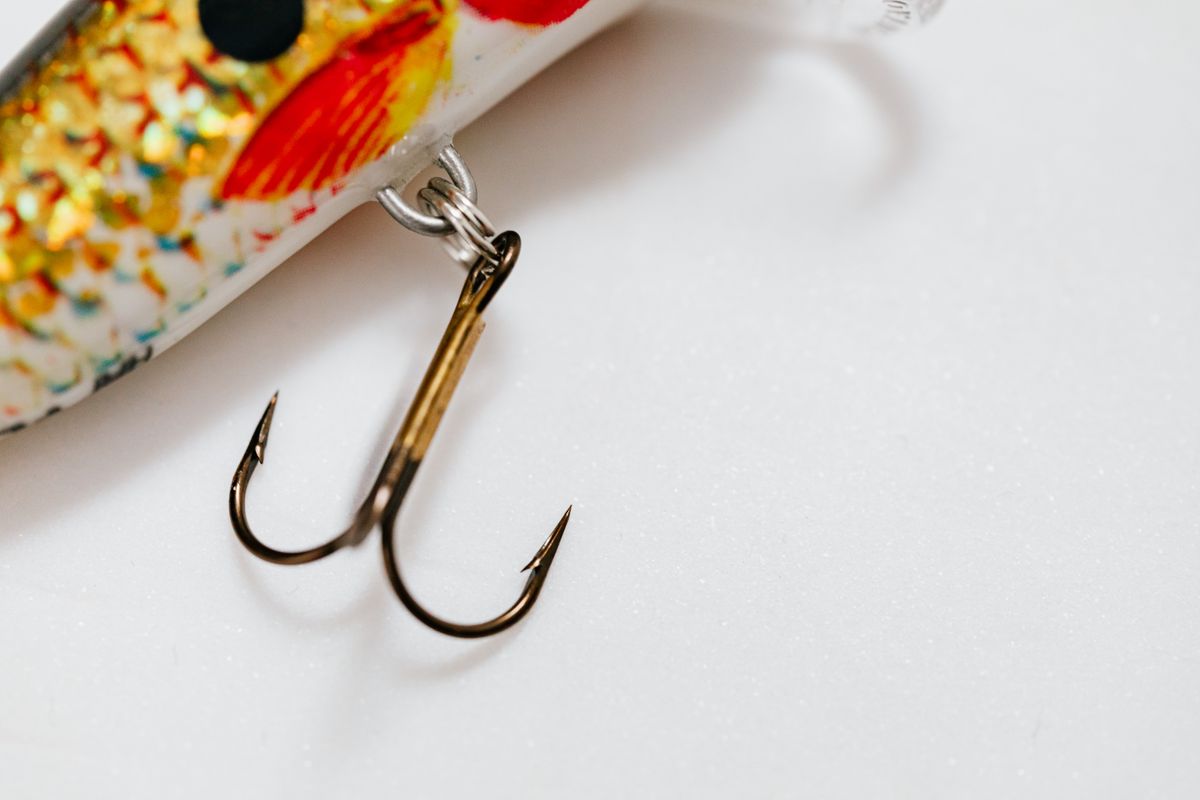
Photo by https://kaboompics.com/ on Pexels
Preventing rust is mostly a storage habit after the clean. A damp plier dropped into a sealed pocket case will discolor even if it looked fine at the ramp. Air should reach the metal until it is fully dry, and only then should a case close. Wet towels in the same pouch undo the rinse.
Oil is a conditional step, not a default splash. If the maker says the pivot may be oiled, one small drop, worked through the joint and wiped so it does not collect grit, is enough. If the maker says to keep oil away from the tool, follow that limit instead of improvising a heavier coating. No part of the countdown listing publishes an oil spec, a coating, or a care warranty for pliers or cutters. Surface color that wipes away is a cue to dry more carefully next time. A joint that will not open needs another patient clean, not a twist that snaps the cutter or bends the jaw.
Storage mistakes that bring rust back
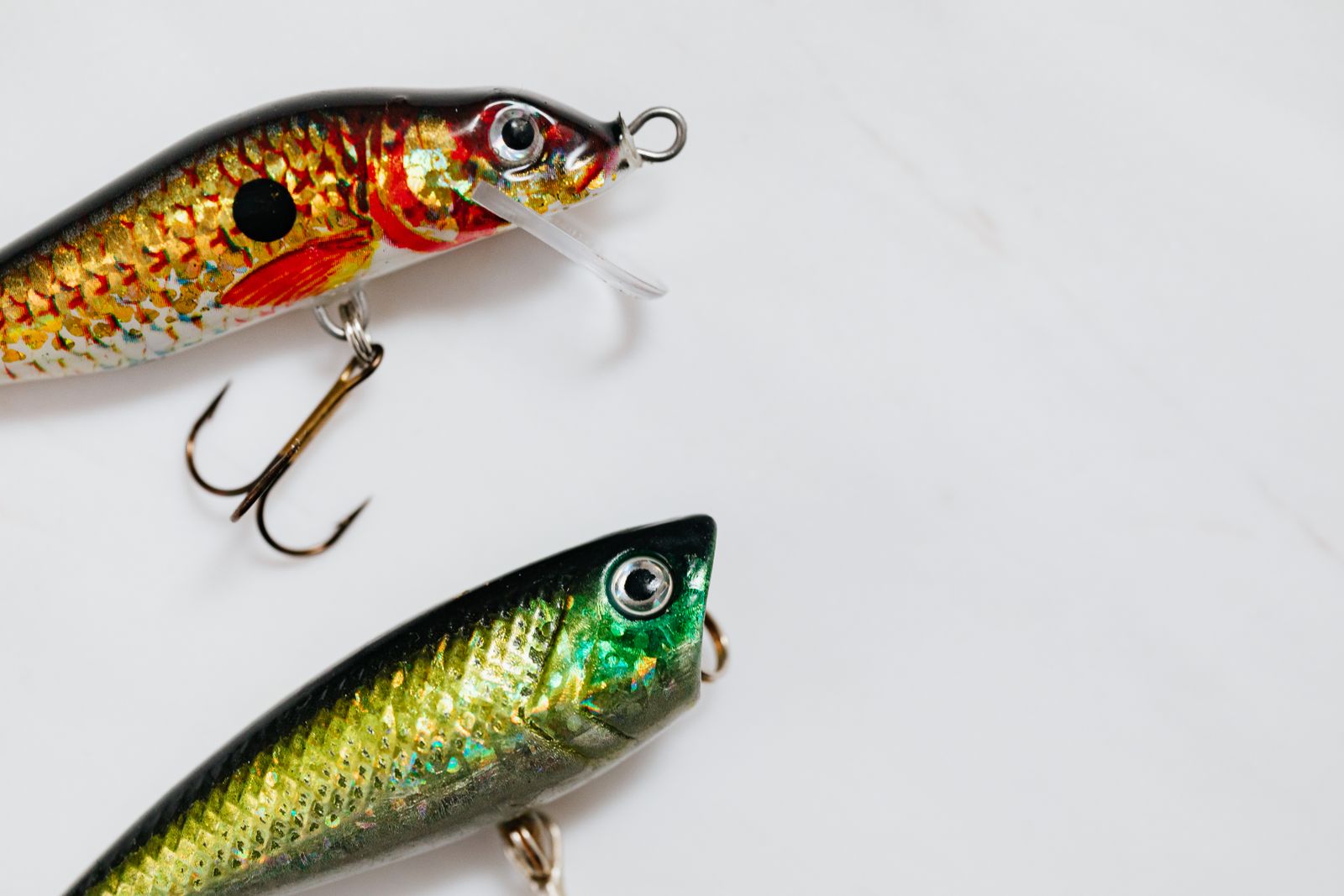
Several ordinary mistakes restart the problem after a good rinse. Closing wet jaws traps a thin film that the next trip finds already orange. Tossing pocket cutters loose into a wet bag does the same. Leaving hand tools against lifelike lures can tangle hooks and pass moisture along, even though the listing does not state what those lures are made of. A dry separation between metal tools and the lure pile is the safer storage either way, and it does not require a named product feature.
One wet trip is enough to mark a pivot if the tool is packed wet. Fresher, cleaner water is kinder and still not harmless, because fine mud holds moisture in the joint overnight. Check the cutter edge and the plier joint at the start of the next outing. If the edge has pitted so badly that it mashes line instead of parting it, the tool needs replacement rather than another rinse. The countdown listed at $29.95 does not change this maintenance. It is a 24-day mix of lifelike lures, topwater lures, and accessories, not a documented tool kit.
Care steps compared by tool condition
| Condition | What to do | What to avoid | Why it matters | | --- | --- | --- | --- | | Wet after the trip | Rinse open, then dry | Seal in a closed pouch | Trapped water feeds rust | | Grit in the pivot | Brush while rinsing | Gouge the metal | Scratches hold moisture | | Fibers in a cutter | Pick out the notch | Rinse only the outside | Fibers keep the edge wet | | Maker allows oil | One drop, then wipe | Soak the handle | Excess oil grabs grit | | Joint stuck shut | Clean and dry again | Twist the cutter hard | Force snaps small tools |
Checks after every wet trip
Photo by https://kaboompics.com/ on Pexels
- Rinse small fishing pliers and pocket cutters while they are open.
- Clear line fibers from cutter notches before calling the tool clean.
- Dry hidden corners, not only the outer handles.
- Close a case only after the metal is dry to the touch in the pivot.
- Oil a pivot only when that tool's maker allows it, and use a small drop.
- Store tools apart from lures so moisture and hooks stay manageable.
- Replace a badly pitted cutter instead of expecting a rinse to restore it.
Questions about rust on small fishing tools
How should pocket cutters be cleaned after a wet trip?
Rinse them open with fresh water, pick fibers out of the notch, and dry the edge before they go back into a pocket. A closed, damp cutter is a common place for rust to start. The listing gives no separate method, because it does not describe these cutters at all.
What helps prevent rust on fishing pliers?
Dry pivots prevent more rust than a hurried wipe of the handles. Keep the tool in open air until the joint is dry, and keep it off wet cloth. Oil the joint only if the maker of that plier allows oil there.
Does the lure countdown specify a rust-resistant metal?
The description does not name pliers, cutters, a steel type, or any coating. It names lifelike lures, a diverse selection, topwater lures, and accessories for all skill levels in a 24-day gift for a father. Care for hand tools has to follow the tool in hand, not that paragraph.
When is cleaning no longer enough?
Cleaning is no longer enough when the jaw will not move after a careful rinse and dry, or when a cutter pits so badly that it mashes line. Forcing a stuck small tool can snap it. Replacement is the practical step, and the listing does not price or promise that replacement.
Related reading
Calendar context for the lure set, separate from tool care, sits in the seasonal questions, the holiday reading, and the field notes.
- Seasonal catch questions about a lure calendar
- A holiday catch look at the lure calendar
- Field notes on the lure calendar series
What to do next
After the next wet trip, rinse the pliers and pocket cutters open, clear the notches, and let the pivots dry before any case closes. Add a drop of oil only where the maker of that specific tool allows it. Do not borrow a metal type or a care promise from the 24-day lure listing, which never states one.
Cover photo by https://kaboompics.com/ on Pexels.