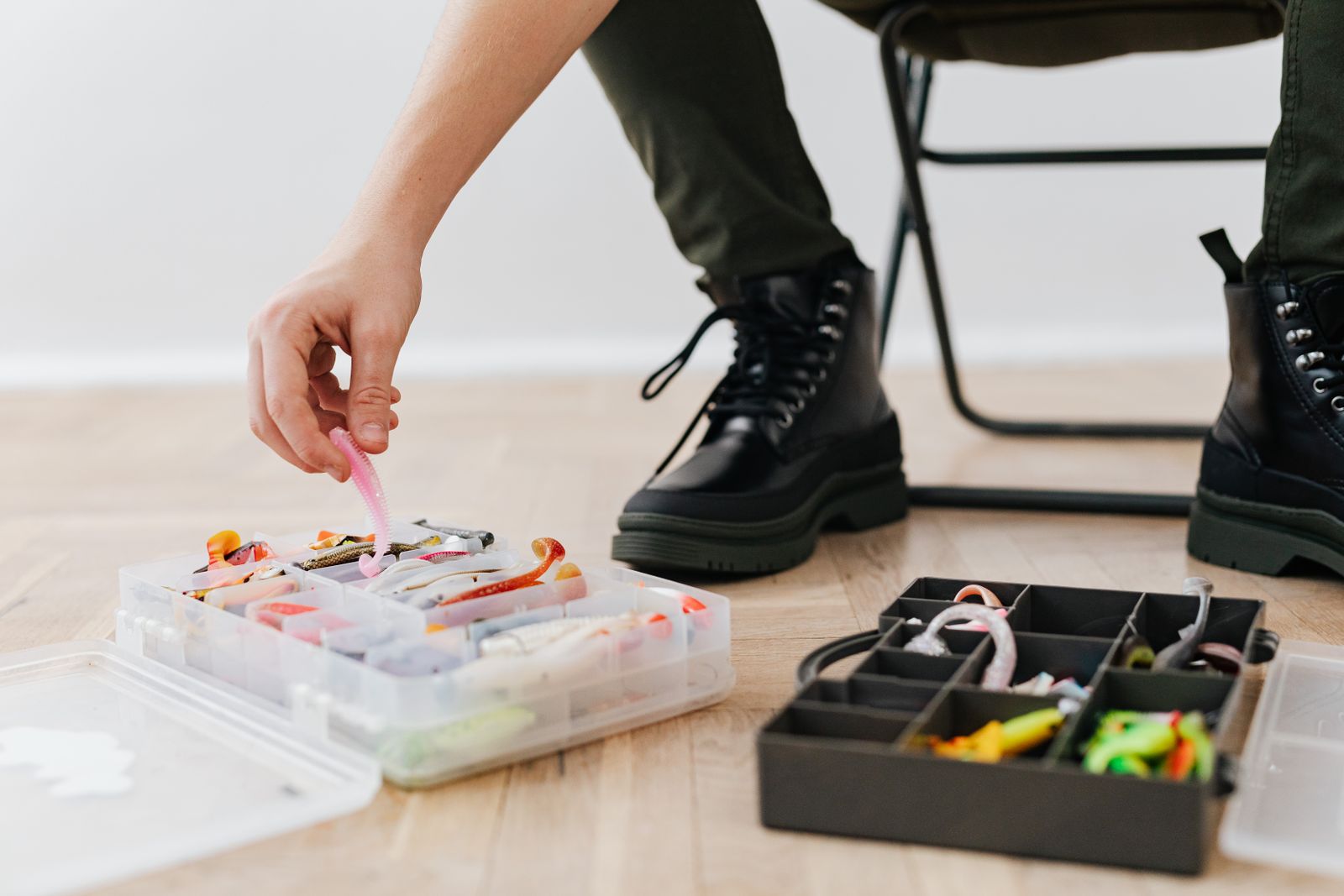
How to Organize Lures from Your Fishing Advent Calendar for Early Season Success
To organize lures from a fishing advent calendar, sort each revealed piece by what it visibly is, then store those groups where an early season trip can find them. The listing supports three labels at most: topwater lure, other lifelike lure, and accessory, inside a diverse 24-day countdown for all skill levels. Success is a findable mix, not a reconstructed inventory the page never published.
Sort by what the piece clearly is
Organization starts at the opening, not in a later rescue of a tangled bag. When a day of the fishing advent calendar is revealed, look at the piece on a clear surface. If it is plainly a topwater lure, it joins the surface group. If it is plainly another lure, it joins the lifelike group without a finer title. If it is plainly an accessory, it leaves the lure piles entirely. If the category is unclear, leave it unlabeled rather than forcing a story.
The diverse selection means the 24 days will not look identical, and accessories mean some days may not be lures at all. No piece count beyond the length of the countdown is published. A plan that expects 24 lures will mis-count as soon as an accessory appears. Early notes prevent that confusion. One line with the day number and the obvious group is enough. The line does not need a species, because the listing does not provide one.
Storage that keeps the mix usable
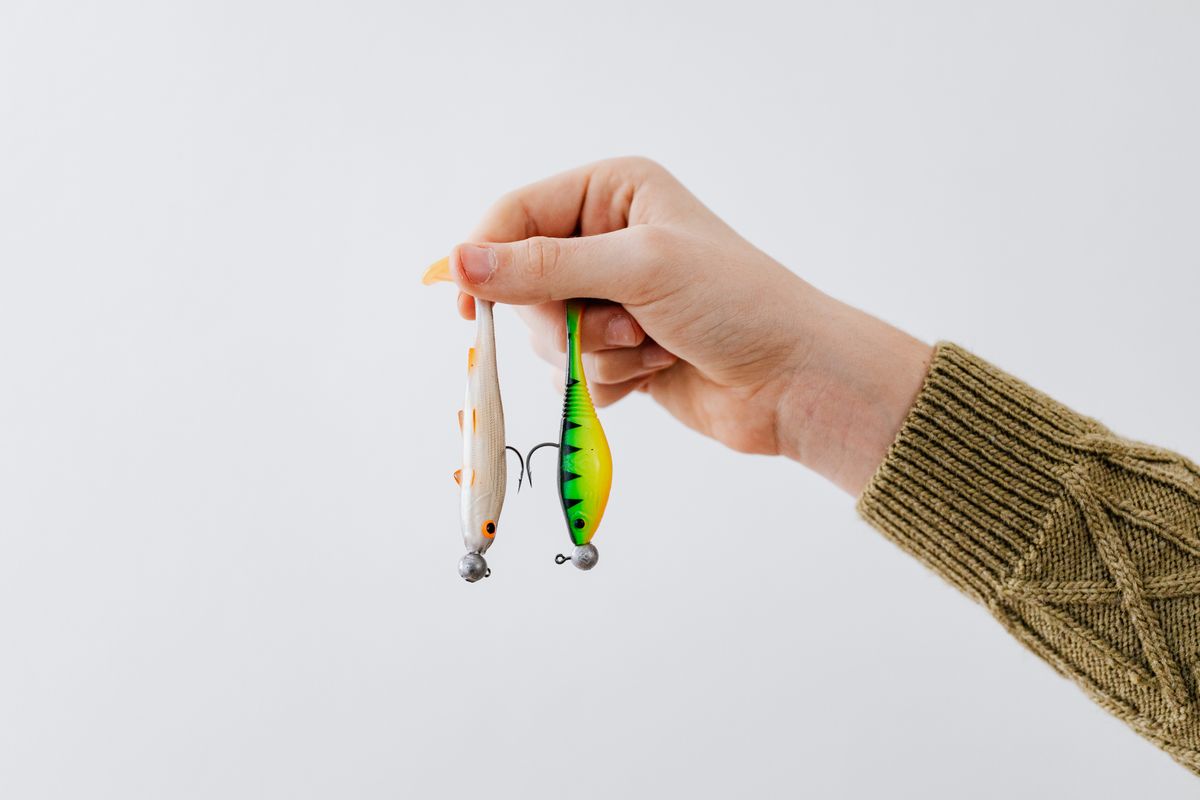
Photo by https://kaboompics.com/ on Pexels
Storage is the second half of the organize step. Hooks on lures are generally sharp, and this listing does not state hook sizes, so the practical rule is ordinary care rather than a size chart. Keep hooks from catching neighboring pieces. Do not toss the day's reveal into a soft pocket where it can snag fabric or other tackle. A small tray for the evening, then a move into existing storage, is enough.
The countdown's own container style is not described, so the long-term home should be tackle storage the angler already understands. Topwater lures deserve a spot that can be grabbed without unpacking everything. Other lifelike lures can sit nearby but separate. Accessories should be visible, or they vanish into a drawer and never help an early trip. Rust, pliers, and cutters are separate topics. Nothing here proves those tools are inside the calendar, so they should not be written into the inventory.
Notes that support early season success
Early season success, for this countdown, is modest. On the first trips the angler can choose a topwater lure without a search, can find other lifelike lures just as fast, and can see the accessories instead of discovering them in July. That outcome comes from the notes and the groups. It does not come from memorizing a day order that was never printed.
All skill levels means the same organize method fits a new angler and a veteran. The veteran may add personal labels later, from experience on the water, and those labels should stay personal. The new angler should not be handed invented hook sizes or line ratings as if they were in the box. The listed price, $29.95, is a reminder of scale. This is a small, diverse set to fold into existing tackle, not a warehouse to catalog for its own sake. When the sort is finished, the fishing advent calendar has done the holiday job and the tackle has a chance at a calm early season.
Organization choices after the countdown
| Choice | Helps success when | Hurts when | Listing cue | | --- | --- | --- | --- | | Three visible groups | The shape is obvious | Labels are forced | Topwater, lure, accessory | | One line per day | Memory fades later | Notes are skipped | Order is unpublished | | Existing storage | The angler knows the box | A new system is imagined | Container type unstated | | Hooks kept apart | Pieces stay untangled | A loose pile forms | Hook size unstated | | Personal labels later | Experience earned them | They are treated as specs | Species are not listed |
Checks while the lures are organized
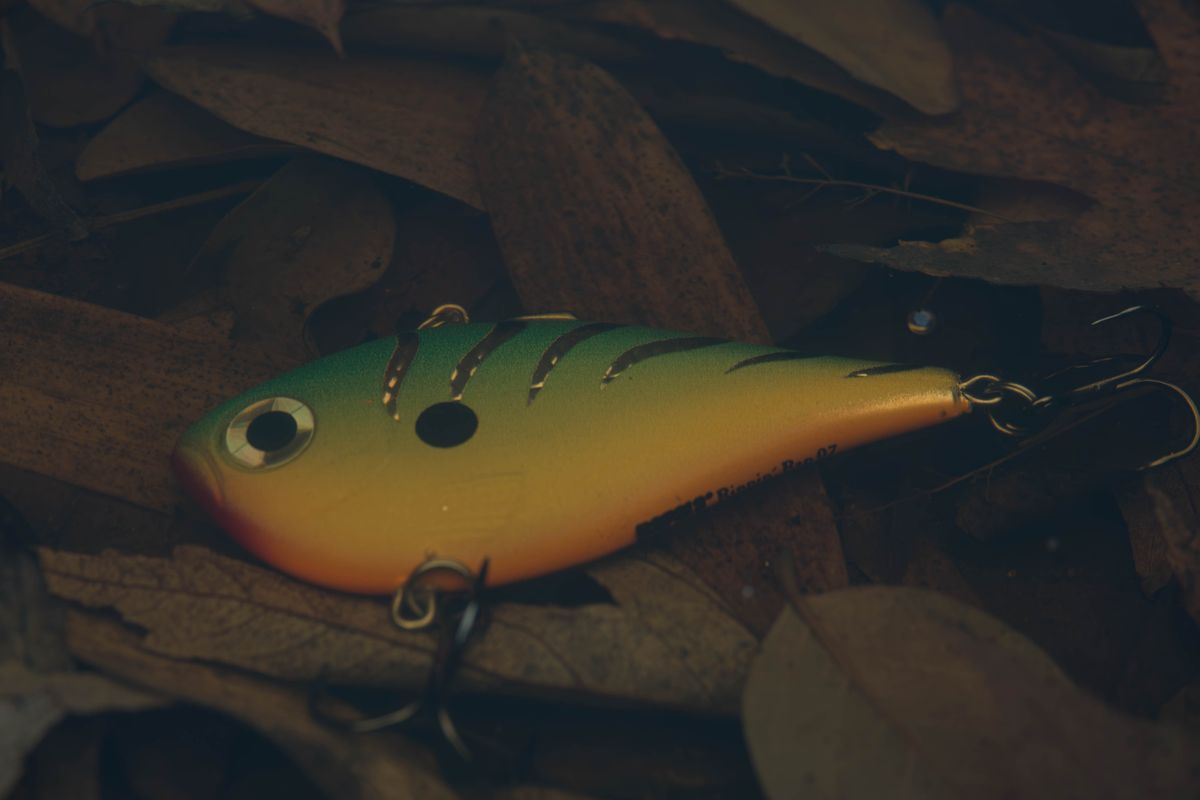
Photo by Bejan Adrian on Pexels
- Organize on a clear surface as each day opens.
- Use only the groups the piece itself supports.
- Keep accessories out of the lure groups.
- Write the day number and the group, then stop.
- Store hooks so they do not snag other tackle.
- Put the groups into storage the angler already uses.
- Leave species, hook sizes, and line ratings off the notes.
Questions about organizing the revealed lures
What is the simplest way to organize the mix?
The simplest way is three groups: obvious topwater lures, other lifelike lures, and accessories. Add a one-line note with the day number. Skip any field the listing does not provide, including species and hook size.
Does early season success require a special box?
Early season success requires findable groups, not a special box the listing never described. Existing storage is the right home once the 24 days are open. A new container can wait unless the angler already wanted one for other reasons.
Should every day be logged as a lure?
Every day should not be logged as a lure. Accessories are part of the fishing advent calendar wording, so some reveals may not be lures. A note that says accessory is more accurate than a blank lure name.
Can the groups be refined after the first trips?
The groups can be refined after real trips, using what the angler learned, and those refinements are personal. They are not a correction of the listing. The original organize step should remain honest about what was visible on opening day.
Related reading
An unboxing routine, a pliers and multi-tool comparison, and a traditional box comparison help with handling and storage around the countdown.
- How to plan a December lure unboxing
- Pliers compared with multi-tools for a fisherman
- Tackle boxes compared with fishing calendars
What to do next
Set out a tray and a card before the next sealed day of the fishing advent calendar is opened. Log only the obvious group, store the piece so hooks stay clear, and keep topwater lures easy to reach for the early season. When the 24 days are done, stop organizing against the listing and let later fishing, not guesswork, add any finer labels.
Cover photo by https://kaboompics.com/ on Pexels.